Embracing Trends in Eco-Friendly Book Printing: Innovations and Insights

In recent years, the publishing industry has witnessed a significant shift towards sustainability, with eco-friendly book printing becoming a pivotal focus. As readers become more environmentally conscious, publishers are exploring innovative ways to minimize their ecological footprint. This trend is not just about reducing waste, but also about embracing new technologies and materials that align with green practices.

Recycled Paper and Sustainable Materials
One of the most impactful changes in eco-friendly book printing is the use of recycled paper. By opting for paper made from post-consumer waste, publishers significantly reduce the need for virgin materials. This not only conserves natural resources but also decreases energy consumption and greenhouse gas emissions during production.
Additionally, the industry is exploring sustainable materials beyond traditional paper. Alternatives like stone paper and hemp paper are gaining attention for their durability and lower environmental impact. These materials require less water and fewer chemicals, making them a promising choice for the future.

Advancements in Printing Technology
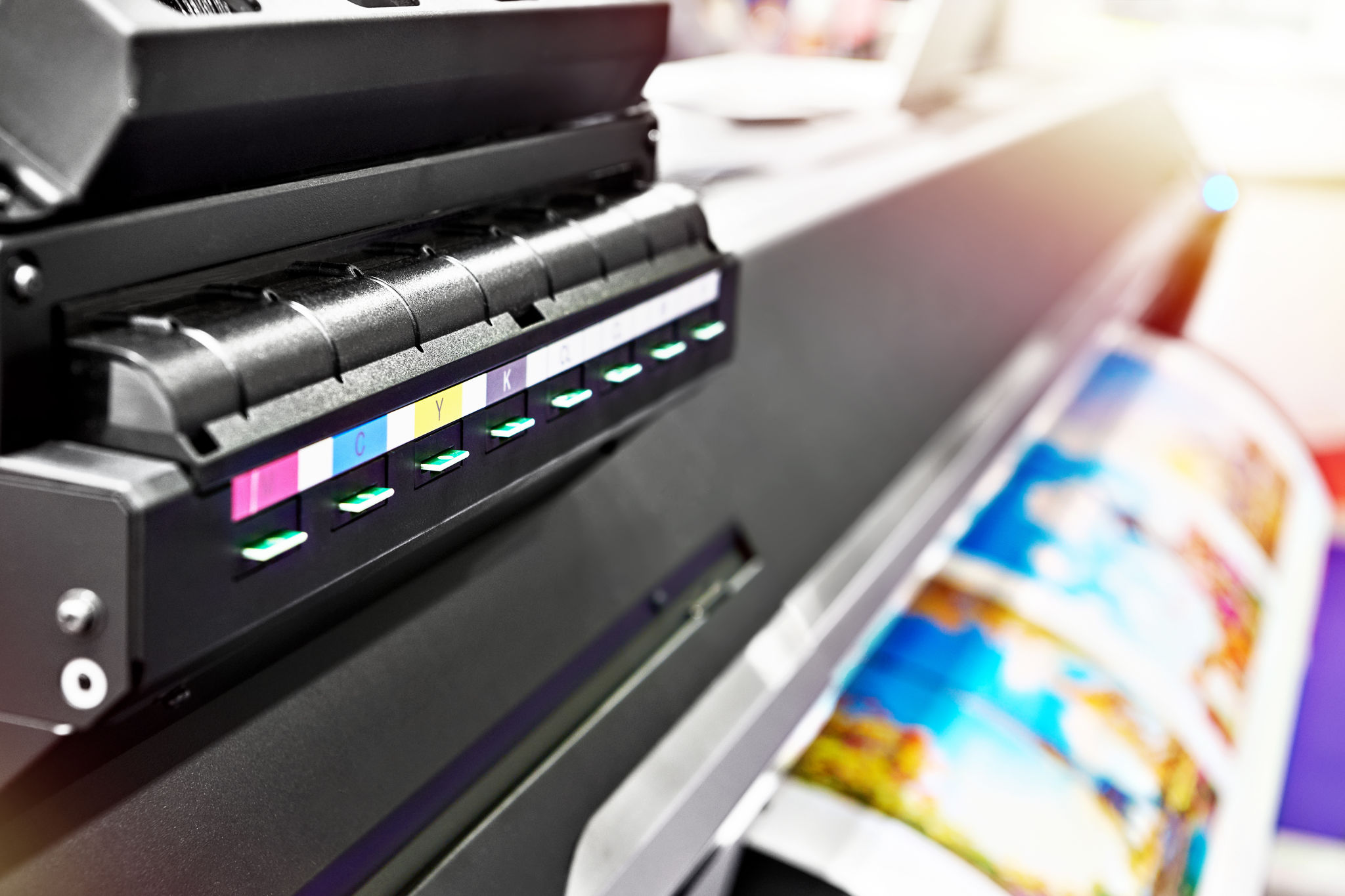
Technological advancements are playing a crucial role in making book printing more sustainable. Digital printing, for instance, allows for on-demand printing, which drastically reduces waste by eliminating the need for large print runs that may not sell. This method also uses less ink and energy, contributing to a smaller carbon footprint.
Moreover, new ink formulations, such as soy-based and water-based inks, are replacing traditional petroleum-based inks. These eco-friendly inks are not only biodegradable but also produce fewer volatile organic compounds (VOCs), which are harmful to both the environment and human health.
Eco-Certifications and Standards
As sustainability becomes a priority, eco-certifications are helping consumers identify genuinely eco-friendly books. Certifications like the Forest Stewardship Council (FSC) and Programme for the Endorsement of Forest Certification (PEFC) ensure that paper products come from responsibly managed forests.
These certifications provide transparency and accountability, allowing publishers and consumers to make informed decisions. By adhering to these standards, the publishing industry can further its commitment to environmental stewardship.
Challenges and Future Directions
Despite the advancements, eco-friendly book printing faces several challenges. The cost of sustainable materials and technologies can be higher, posing a barrier for smaller publishers. Additionally, balancing quality with eco-friendliness remains a concern, as readers expect books to be both sustainable and high-quality.
Looking ahead, the industry continues to explore innovative solutions to these challenges. Collaborations between publishers, technology providers, and sustainability experts are essential to drive further advancements and make eco-friendly book printing accessible to all.

In conclusion, embracing trends in eco-friendly book printing is not just about reducing environmental impact—it's about paving the way for a more sustainable future in publishing. By adopting recycled materials, leveraging advanced technologies, and adhering to eco-certifications, the industry is taking significant strides toward sustainability. As these practices become more widespread, the dream of a truly green publishing world is becoming a reality.